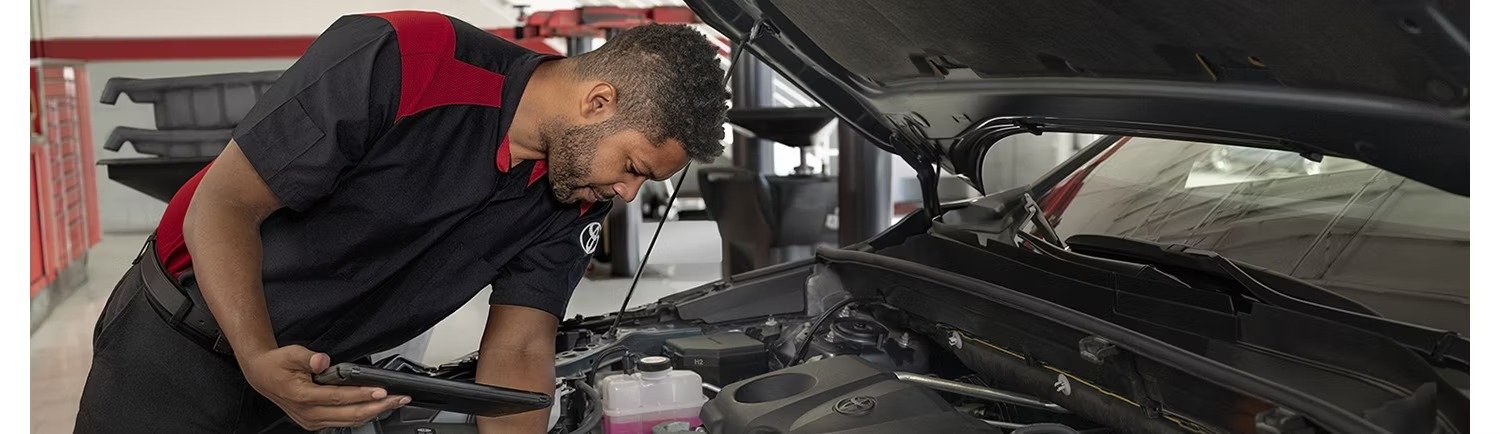
Keep your car reliable and safe with practical maintenance tips from an experienced tech journalist. Learn easy checks, service schedules, pros and cons of DIY vs. professional care, and real-world use cases for U.S. drivers.
Essential Car Maintenance Tips Every U.S. Driver Should Know
Cars are more reliable than ever, but that doesn’t mean they’re maintenance-free. Small, regular actions can prevent breakdowns, extend vehicle life, and save you hundreds — even thousands — of dollars over ownership. This guide explains practical car maintenance tips for American drivers: what to do, when to do it, and whether to tackle the job yourself or call a pro.
Why routine car maintenance matters
Routine maintenance protects safety, value, and long-term costs. Ignoring simple checks — like tire pressure or fluid levels — leads to poor fuel economy, faster wear, and sudden failures. For drivers who commute, road-trip, or rely on a car for work, predictable performance matters. Think of maintenance like preventive medicine: catching small problems early prevents much larger, more expensive ones later.
Basic checks you should do monthly
Keeping a short monthly checklist makes maintenance manageable.
Tire pressure and tread: Proper inflation improves fuel efficiency and handling. Use a tire gauge and follow the placard in the driver’s door or the owner’s manual.
Oil level: Check when the engine is cool. Low oil risks engine damage; dirty oil reduces protection.
Coolant/antifreeze level: Low coolant can cause overheating and head gasket failure.
Lights and signals: Replace burned bulbs promptly for safety and legal compliance.
Windshield wipers and washer fluid: Clear visibility matters, especially during U.S. winter and hurricane seasons.
Battery terminals: Look for corrosion and ensure tight connections.
Benefits: inexpensive checks that reduce risks of roadside emergencies.
Downsides: Requires small time investment and regular attention.
Scheduled services: follow the manufacturer’s intervals
Your owner’s manual is the map to long vehicle life. Manufacturers set service intervals for oil changes, timing belts, transmission fluid, spark plugs, and more. Newer cars often use condition-based alerts, but manuals and service records remain the authoritative guide.
Oil and oil filter: Typically every 5,000–10,000 miles for modern synthetics, depending on driving habits.
Air filter: Replace every 15,000–30,000 miles or sooner in dusty environments.
Brake inspection: Annually or every 10,000–15,000 miles; sooner if you hear squeal or notice reduced braking.
Transmission service: Check intervals in your manual; many newer automatics are sealed, but fluid replacement still matters at high mileage.
Timing belt/chain: Timing belts usually have a defined replacement interval (60,000–100,000 miles); chains often last longer but need inspection.
Features: manufacturer-recommended intervals are tailored to your vehicle’s design.
Benefits: following the schedule prevents catastrophic mechanical failure.
Cons: servicing has direct costs; skipping can lead to far higher repair bills.
DIY vs. professional service: make the right call
Hobbyists can handle basic maintenance. But complexity, safety, and warranty considerations mean professionals remain the right choice for many tasks.
Good DIY jobs: oil and filter changes, air filter replacement, wiper blade swaps, battery replacement, changing bulbs, checking tire pressure.
Jobs for pros: brake jobs, timing belt replacement, transmission work, advanced diagnostics, air conditioning repairs, electrical system troubleshooting.
Pros of DIY:
Lower labor cost.
Learn your vehicle and catch issues early.
Convenient for simple tasks.
Cons of DIY:
Mistakes can cause damage or safety risks.
Time-consuming; requires tools and workspace.
May affect warranty if not done per manufacturer specs.
Real-world use case: A freelance courier in Austin saved $250 annually by learning quick oil changes and tire rotations, while taking brake and suspension work to a trusted local shop.
Tires: small investment, big returns
Tires are the single most important safety component. Maintain proper pressure, rotate them every 6,000–8,000 miles, and replace when tread depth drops below 2/32 inch (use a penny test).
Features: All-season vs. summer vs. winter tires each have trade-offs.
Benefits: Right tires improve stopping distance, fuel economy, and comfort.
Pros/cons:
All-season: versatile year-round for most U.S. drivers; moderate performance.
Performance/summer: better grip in dry/warm conditions; poor in snow.
Winter: critical in snowy regions; require storage and changeover.
Comparison: Tire rotation vs. alignment
Rotation evens wear across tires; recommended every 6,000–8,000 miles.
Alignment ensures proper steering geometry; do it when you notice pull, uneven wear, or after suspension work.
Both extend tire life but address different causes.
Fluids: what to watch and why
Fluids lubricate, cool, and protect systems. Regular checks keep systems healthy.
Engine oil: protects engine internals; check monthly and follow change intervals.
Coolant: prevents overheating and corrosion; flush as recommended.
Brake fluid: hygroscopic (absorbs moisture); replace per schedule to prevent brake failure.
Transmission fluid: protects gears and clutches; some modern cars need less-frequent changes, but high-mileage work often benefits from service.
Power steering and differential fluids: check per manual.
Real-world use case: A Vermont driver ignored low coolant during winter and suffered an overheated engine that cracked the head gasket — an avoidable $3,000+ repair.
Electronics and software: the modern maintenance frontier
Today’s cars are computers with wheels. Software updates, sensor calibration, and electronic diagnostics matter.
Features: Over-the-air (OTA) updates on some brands; dealership updates on others.
Benefits: Software patches can improve efficiency, safety features, and fix bugs.
Pros/cons:
OTA updates: convenient, fast, often free.
Dealer updates: thorough but may cost and require appointment.
Tip: If the check-engine light or advanced driver-assistance system (ADAS) warning appears, get a diagnostic scan quickly to avoid safety risks.
Fuel and emissions: simple habits that help
Using the right fuel grade, avoiding fuel starvation (keep tank at least a quarter full during winter), and ensuring the emissions system is healthy keeps your car efficient and compliant.
Benefit: Better fuel economy and reduced chance of catalytic converter damage.
Practical tip: Use reputable gas stations; consider fuel-system cleaner once or twice a year if you drive lots of short trips.
Cost comparison: DIY vs. shop over 5 years
DIY route: initial tool investment ($150–$400), lower per-service cost. Great for owners who enjoy working on cars and have time.
Professional route: higher per-service cost but faster, guaranteed work and access to manufacturer tools and diagnostics.
Example estimate (typical midsize sedan, 12,000 miles/year):
DIY maintenance (basic): $1,200–$1,800 over 5 years.
Professional maintenance: $2,000–$3,500 over 5 years.
Long-term repairs due to neglected maintenance can make either choice more expensive; regular professional inspections can catch issues DIYers might miss.
When to seek professional help immediately
Smell of burning (electrical or oil).
Grinding brakes or significant brake fade.
Rapid fluid loss or visible leaks.
Repeated check-engine light after repairs.
Strange noises from the engine, transmission slipping, or overheating.
Frequently Asked Questions
How often should I change my oil?
Modern synthetic oil often lasts 5,000–10,000 miles depending on vehicle and driving style. Check your owner’s manual for the manufacturer’s recommendation.
Can I rotate my own tires?
Yes. Rotating tires is a straightforward DIY job if you have a jack, jack stands, and a torque wrench. Follow the rotation pattern recommended for your vehicle and tire type.
Will checking fluids void my warranty?
No. Basic checks and top-offs do not void warranties. Keep records and follow manufacturer service intervals to protect warranty coverage.
What causes a check-engine light?
The light has many causes: loose gas cap, oxygen sensor, catalytic converter issues, misfire, or emissions system faults. A diagnostic scan reveals codes that guide repairs.
How much does a typical brake job cost?
Brake pad replacement typically ranges from $150–$350 per axle at a shop, depending on parts and labor. Rotor replacement increases costs.
Conclusion
Routine car maintenance doesn’t have to be time-consuming or expensive. A mix of simple monthly checks, following manufacturer service intervals, and knowing when to call a professional keeps your vehicle safe and reliable. Small investments today — a properly inflated tire, a timely oil change, attention to warning lights — can save you big down the road. Whether you’re a DIY enthusiast or prefer a trusted mechanic, regular care helps your car last longer and perform better, mile after mile.