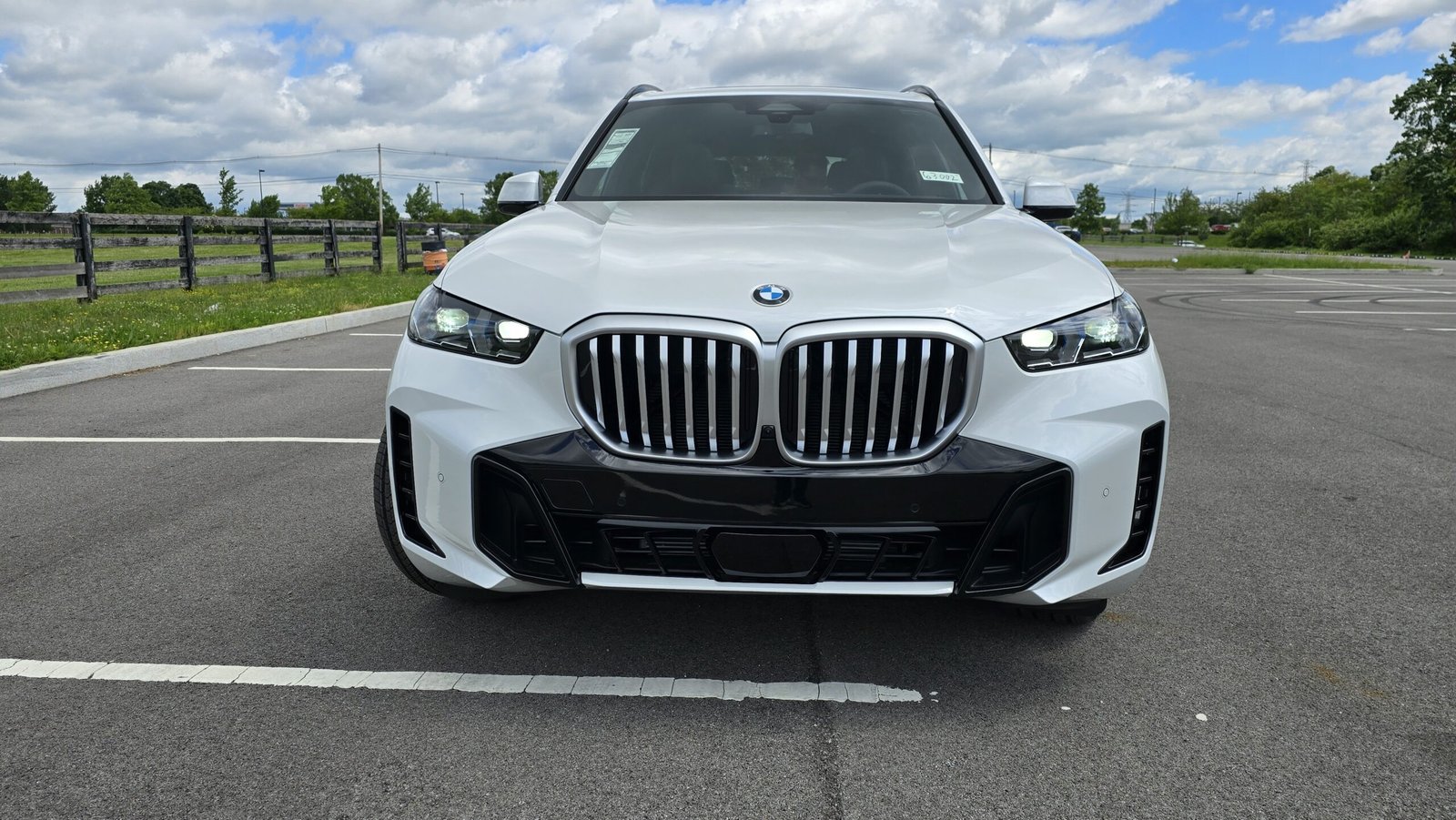
2026 BMW X5 Review: Best Luxury Mid-Size SUV?
A detailed 2026 BMW X5 review covering pricing, performance, the plug-in hybrid option, pros and cons, and how it stacks up against the Mercedes GLE and Audi Q7.
2026 BMW X5 Review: Still the Benchmark for Luxury Mid-Size SUVs
Some vehicles get judged by how they look in a parking lot. The BMW X5 has always been judged by something harder to fake: how it feels the moment you actually start driving it. Since BMW introduced the X5 back in 1999 and effectively kicked off the entire luxury SUV category as we know it today, the formula has stayed remarkably consistent. Build something that handles like a sports sedan but hauls like an SUV, and don’t apologize for the price tag.
For 2026, BMW isn’t reinventing anything, since this generation is heading into its final model year before a redesign. Instead, this is a year of careful refinement: a stronger base engine, a longer-range plug-in hybrid, and faster charging. After digging through how this year’s X5 actually drives and where it stands against rivals like the Mercedes-Benz GLE and Audi Q7, here’s an honest look at whether it still deserves its reputation as the class benchmark.
What’s New for the 2026 BMW X5
A Sharper Standard Engine
The xDrive40i’s turbocharged inline-six now produces 375 horsepower and 398 pound-feet of torque, helped along by 48-volt mild-hybrid assistance. That bump in low-end response has trimmed the 0-60 mph time to roughly 5.2 seconds, which is genuinely quick for a vehicle this size and weight.
A Longer-Range Plug-In Hybrid
The xDrive50e plug-in hybrid gets a noticeably bigger upgrade this year. Its battery has grown, pushing the EPA-rated electric-only range up to around 40 miles, enough for most commuters to handle an entire workday without burning a drop of gas. BMW also bumped the onboard AC charging capability from 7.4 kW up to 11 kW, which cuts down meaningfully on how long you’re plugged in at home.
Standard Tech and Safety Upgrades
Adaptive matrix LED headlights are now standard across the entire lineup, and every trim includes wireless phone charging, heated front seats, and BMW’s updated iDrive 8.5 infotainment system, which responds faster and looks sharper than the previous version.
Driving Experience and Performance
The X5 lineup gives buyers four distinct flavors of performance, and that range is really the point. At the entry level, the inline-six engine delivers a confident, composed driving experience without feeling like you’re settling for the “base” option. Step up to the xDrive50e plug-in hybrid, and you get 483 combined horsepower along with genuine electric-only commuting range, making it one of the more practical performance hybrids in this segment.
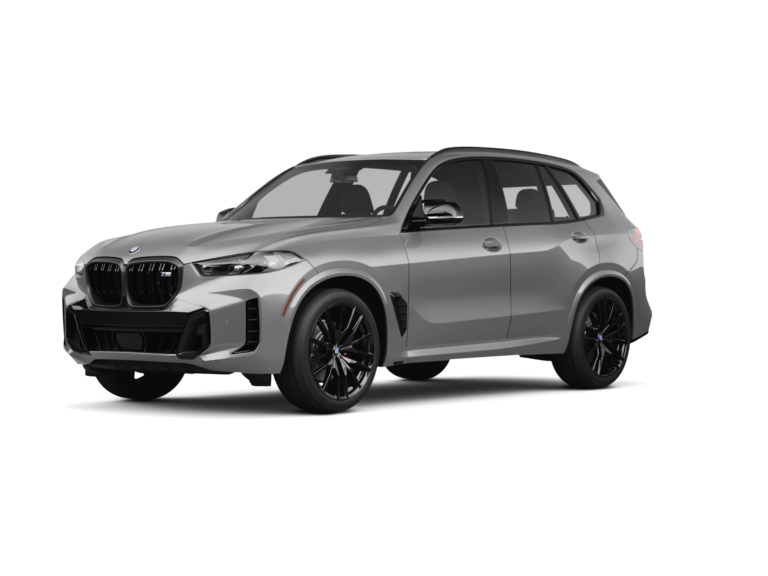
For buyers chasing more excitement, the M60i’s 523-horsepower twin-turbo V8 launches from 0-60 mph in about 4.1 seconds, while the range-topping X5 M Competition pushes that to 617 horsepower and a 3.7-second sprint, putting it in genuine sports car territory despite weighing well over two tons.
Ride and Handling
BMW fine-tuned the dampers slightly for 2026 to better balance comfort and sharper handling, and the result is noticeable on real roads. The X5 still leans toward the sportier end of the luxury SUV spectrum, trading a bit of ride softness for the kind of confident cornering that makes it genuinely enjoyable to drive, not just comfortable to sit in.
Interior and Technology
Inside, the curved dual-screen setup combining a 12.3-inch digital instrument cluster with a 14.9-inch central touchscreen remains the visual centerpiece of the cabin. It takes a short learning curve to get comfortable with, but once you do, the controls feel logical and the graphics genuinely look like something from a more expensive vehicle. Higher trims add extended leather upholstery, available 20-way adjustable seats with massage functions, and an available 20-speaker Bowers & Wilkins sound system that makes a strong case for road trips over flying.
Pricing and Trim Levels
| Trim | Starting MSRP | Powertrain Highlights |
|---|---|---|
| sDrive40i | $68,300–$69,750 | 375-hp inline-six, rear-wheel drive |
| xDrive40i | $70,600–$71,075 | Same engine, adds standard AWD |
| xDrive50e | $76,000–$76,375 | 483-hp plug-in hybrid, ~40-mile EV range |
| M60i | $93,600–$95,050 | 523-hp twin-turbo V8 |
| M Competition | $131,000–$132,450 | 617-hp V8, 3.7-second 0-60 |
Most reviewers point to the xDrive40i as the smartest pick in the lineup. For roughly $2,300 more than the rear-wheel-drive base model, you gain BMW’s all-wheel-drive system and noticeably stronger real-world traction, without stepping up into V8 territory.
Pros and Cons
Pros:
- Strong, well-rounded powertrain lineup, from efficient to genuinely fast
- Plug-in hybrid offers real-world usable electric range
- Upscale interior with class-leading display technology
- Confident, sporty handling that’s rare in this segment
- Standard safety suite, including forward collision warning and lane departure warning
Cons:
- High starting price compared to some rivals
- Smaller cargo area than some competitors in the segment
- Options can inflate the price quickly
- Below-average resale value compared to other luxury SUVs in its class
- Some owners have reported infotainment software glitches in early units
How It Compares to Rival Luxury SUVs
| Vehicle | Starting Price | Notable Strength |
|---|---|---|
| BMW X5 | ~$68,300 | Driver engagement, hybrid range |
| Mercedes-Benz GLE | Low $60k range | Softer ride, roomier third row |
| Audi Q7 | Low $60k range | Standard 3-row seating |
| Genesis GV80 | Under $60k | Strong value, upscale interior |
The Mercedes GLE counters with a more comfort-focused ride and extra third-row space, but it doesn’t match the X5’s precise steering feel. The Audi Q7 plays it safer overall, prioritizing family practicality over driving engagement. The Genesis GV80 has quietly become one of the X5’s most interesting competitors, undercutting it on price while still delivering a genuinely upscale cabin experience.
Real-World Use Cases
A business professional who drives a meaningful daily commute will appreciate the xDrive50e’s roughly 40 miles of electric-only range, which is enough to handle most round trips on electricity alone while still having the inline-six engine available for longer weekend drives.
A family that splits time between school runs and weekend trips benefits from the X5’s 33.9 cubic feet of cargo space and standard all-wheel drive, even though buyers wanting a true third row should look toward the Audi Q7 instead.
A driving enthusiast who still needs real practicality will find the M60i strikes a compelling balance, delivering genuine V8 performance without stepping all the way up to the M Competition’s track-oriented prices and stiffer tuning.
Someone who tows trailers or boats occasionally will appreciate the X5’s 7,200-pound towing capacity, which comfortably covers most recreational trailers without needing a larger, less efficient SUV.
Frequently Asked Questions
Is the 2026 BMW X5 worth the price compared to competitors?
For buyers who prioritize driving engagement and a genuinely upscale interior, yes. If third-row seating or maximum cargo space matters more, the Audi Q7 or Mercedes GLE may be a better fit for the same general price range.
How much electric-only range does the X5 plug-in hybrid have?
The 2026 xDrive50e offers an EPA-rated range of approximately 40 miles on electricity alone, an improvement over the previous year’s 35-mile rating.
Is the BMW X5 reliable?
The X5 generally performs well in safety testing, and BMW backs it with a 4-year, 50,000-mile warranty plus 3 years of complimentary maintenance. Some owners have reported infotainment-related issues in early production units, though these have generally been resolved through dealer service.
Should I wait for the next-generation X5 instead of buying the 2026 model?
The current generation is heading into its final year before a redesign that’s expected to bring a new exterior design language. If you want the latest BMW technology and styling, waiting may be worthwhile, but the 2026 X5 remains a fully capable, well-rounded SUV for buyers who need a vehicle now.
What’s the most popular X5 trim among buyers?
The xDrive40i tends to be the volume seller, since it offers the best balance of price, all-wheel-drive capability, and everyday performance without stepping into V8 territory.
Final Verdict
The 2026 BMW X5 doesn’t need to reinvent itself to remain one of the most compelling luxury mid-size SUVs on the market. It still drives with a sense of precision that’s genuinely rare in this segment, and this year’s improvements to the plug-in hybrid’s range and charging speed make it a far more practical daily option than it used to be. Yes, the starting price sits higher than some rivals, and buyers who need true three-row seating should look elsewhere. But for anyone who wants an SUV that feels every bit as good to drive as it does to sit in, the X5 remains exactly what it’s always been: the benchmark the rest of the segment is still chasing.