2026 Kia Sportage Review: Price, Specs, and What's New
An honest 2026 Kia Sportage review covering the mid-cycle refresh, hybrid and PHEV options, pricing, pros and cons, and how it compares to the RAV4 and CR-V.
The Kia Sportage has a strange kind of fame. It’s Kia’s best-selling vehicle worldwide, and yet most people couldn’t pick its exact silhouette out of a parking lot lineup the way they could a RAV4 or CR-V. That’s actually changed a bit with this generation, since the Sportage’s bold, angular styling made it one of the more recognizable faces in the compact SUV class, for better or worse depending on who you ask.
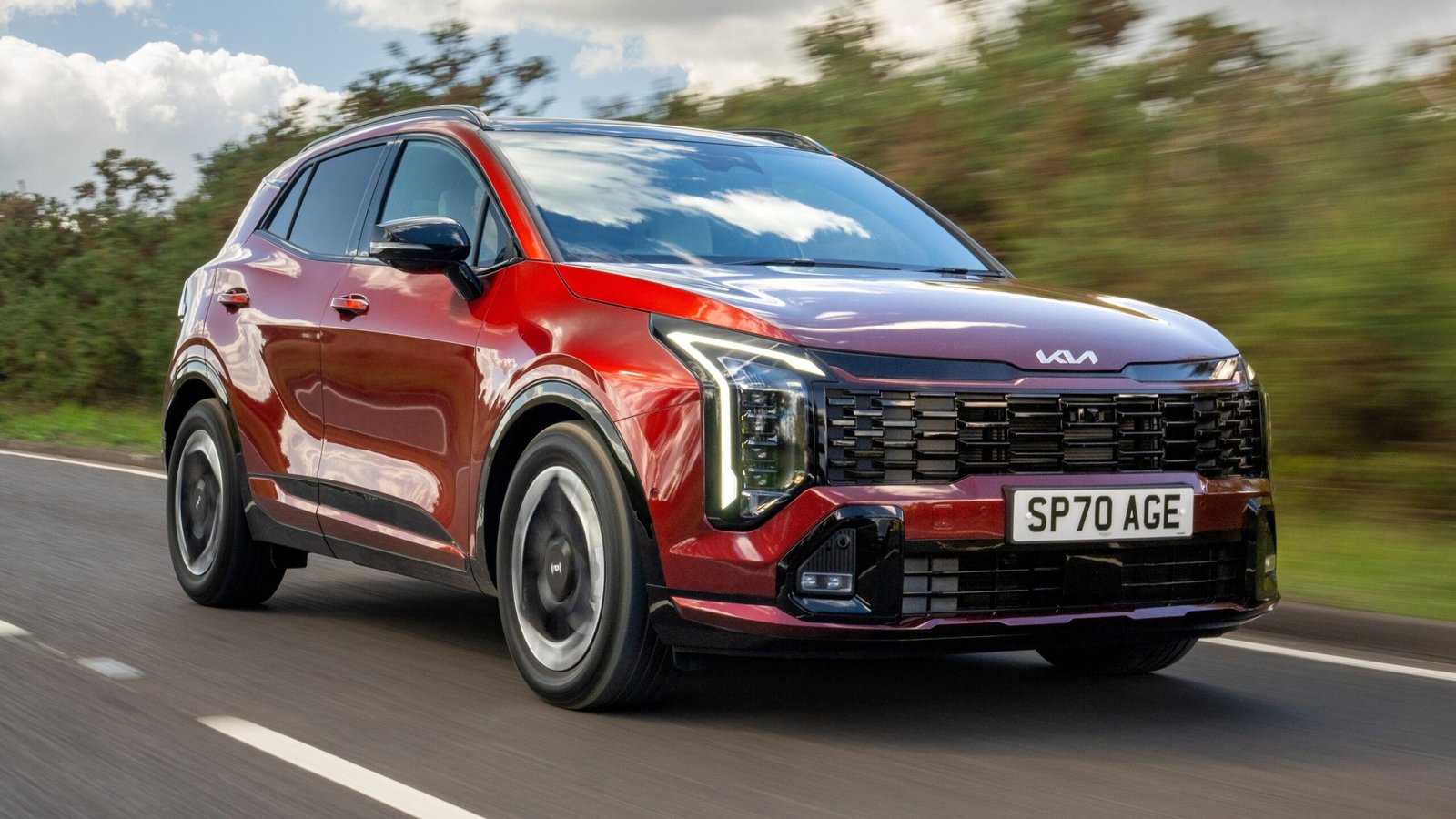
For 2026, Kia is dialing back some of that boldness with a mid-cycle refresh that smooths out the controversial front end, while quietly making the cabin, tech, and hybrid powertrains genuinely better. After going through what’s actually changed this year and how it stacks up against the established competition, here’s an honest look at whether the Sportage still deserves a spot on your test-drive list.
What's New for the 2026 Kia Sportage
A Cleaner, Less Polarizing Look
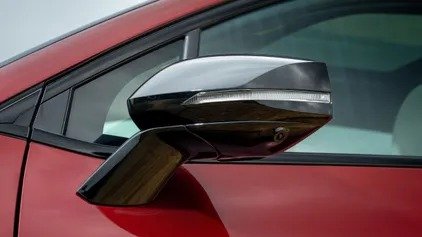
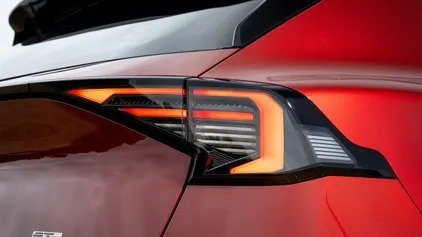
The outgoing Sportage’s low-set headlights and boomerang-shaped running lights were divisive from the moment they launched. For 2026, Kia replaces that look with stacked LED headlights, reprofiled bumpers, and updated taillights that tie in more naturally with the rest of the current Kia lineup. It’s a more conventional front end, and depending on your taste, that’s either a welcome change or a small loss of personality.
More Power for the Hybrid Lineup
The regular hybrid’s output climbs from 227 to 232 horsepower, while the plug-in hybrid jumps from 261 to 268 horsepower. The PHEV also offers up to 33 miles of all-electric range, which is enough for plenty of commuters to handle daily errands without using a drop of gas.
A Tech-Forward Cabin Overhaul
Every trim now comes standard with dual 12.3-inch digital displays, covering both the gauge cluster and the touchscreen, paired with wireless Apple CarPlay and Android Auto support. A 10-inch head-up display is newly available as well. This is a meaningful jump from the base trim’s previous 8-inch screen, and it noticeably changes how premium the cabin feels from behind the wheel.
Smarter Safety Features
Adaptive cruise control and front and rear parking sensors are now standard, and several AWD trims gain a new terrain drive mode. Kia has also added a smartphone-based digital key, an upgraded Highway Driving Assist 2 system, and oncoming-traffic detection for the front-collision warning system, which is a feature you don’t see on every competitor in this segment yet.
Driving Experience and Performance
This is where the 2026 Sportage gets a little more complicated to recommend without some nuance. The standard gas engine is a naturally aspirated 187-horsepower 2.5-liter four-cylinder, and reviewers have been fairly blunt that it feels underpowered for the segment, making merging and highway passing feel more effortful than it should.
The good news is that Kia gives you an easy way to fix that. Stepping up to the hybrid powertrain brings real, noticeable improvement, both in power and in how relaxed the Sportage feels during everyday driving. If you want even more punch, the plug-in hybrid’s 268 horsepower puts it solidly ahead of most gas-powered rivals in its class, while also delivering genuine electric-only range for short trips.
Ride Comfort and Interior Space
The Sportage continues to lean into being one of the roomier vehicles in its class. With 41.3 inches of rear legroom, back-seat passengers get nearly as much space as those in front, which is a real advantage for families regularly hauling kids, in-laws, or carpool passengers. Cargo space is similarly generous, expanding from 39.6 cubic feet with the rear seats up to more than 74 cubic feet with them folded down, trailing only the Honda CR-V among its closest rivals.
Hybrid and plug-in models do lose a bit of that cargo space due to their battery packs, which is worth keeping in mind if maximizing trunk room is a priority.
Pricing and Trim Levels
| Trim | Starting Price | Powertrain Highlights |
|---|---|---|
| LX (Gas, FWD) | $28,790 | 187-hp 2.5L four-cylinder |
| LX Hybrid (FWD) | ~$30,135–$31,735 | 232-hp hybrid system |
| EX Hybrid | ~$33,790 | Hybrid powertrain, added comfort features |
| SX | ~$36,430–$38,090 | Premium features, heated/cooled seats |
| SX-Prestige Hybrid | ~$41,835 | Top hybrid trim |
| X-Line Prestige PHEV | ~$45,000–$47,190 | 268-hp plug-in hybrid, 33-mile EV range |
Most reviewers agree the EX Hybrid is the sweet spot in the lineup. The gas-only engine feels genuinely underpowered, and the high-end PHEV trims only really make financial sense if you can take advantage of available tax incentives or specifically need that extra electric range.
Pros and Cons
Pros:
- Roomy interior with class-competitive cargo space
- Hybrid and plug-in hybrid options offer real performance and efficiency gains
- Dual 12.3-inch displays standard across the entire lineup
- Excellent warranty coverage compared to most competitors
- Newly standard adaptive cruise control and parking sensors
Cons:
- Base gas engine feels notably underpowered for the segment
- Fuel economy on the standard engine lags behind some rivals
- Hybrid and PHEV models sacrifice some cargo space for battery placement
- Top trims push close to $47,000, encroaching on midsize SUV pricing
How It Compares to Rival Compact SUVs
| Vehicle | Standard Powertrain | Notable Strength |
|---|---|---|
| Kia Sportage | 187-hp gas (hybrid available) | Interior space, tech, warranty |
| Toyota RAV4 | Hybrid-focused lineup | Reliability reputation, resale value |
| Honda CR-V | Efficient gas and hybrid options | Cargo space, refined ride |
| Hyundai Tucson | Shares platform with Sportage | Similar value, slightly different styling |
| Mazda CX-50 | Sportier handling | More engaging driving dynamics |
The Sportage holds its own particularly well against its mechanical cousin, the Hyundai Tucson, with the choice between the two often coming down to styling preference and dealership pricing rather than any major mechanical difference. Against the RAV4 and CR-V, the Sportage’s biggest advantage is its genuinely roomier interior and longer warranty, while Toyota and Honda still hold an edge in long-term reliability reputation and resale value.
Real-World Use Cases
A growing family that regularly hauls car seats, strollers, and weekend sports gear will appreciate the Sportage’s generous rear legroom and expansive cargo area, especially when folding the rear seats down for larger hauls like furniture or camping equipment.
A commuter with a daily round trip under 30 miles is an ideal candidate for the plug-in hybrid, since the roughly 33 miles of electric-only range could realistically cover most weekday driving without touching the gas tank.
A budget-conscious first-time SUV buyer who mainly drives around town will likely be satisfied with the LX Hybrid, which delivers meaningfully better real-world performance than the base gas engine without jumping all the way to the pricier EX or SX trims.
A tech-focused buyer who values a modern cabin experience will appreciate that even the entry-level LX trim now includes the dual 12.3-inch displays and wireless smartphone integration that used to be reserved for higher trims in many competing vehicles.
Frequently Asked Questions
Is the 2026 Kia Sportage a good value compared to the RAV4 and CR-V?
In terms of interior space, warranty coverage, and standard technology, yes, the Sportage holds up well. Toyota and Honda still tend to lead in long-term reliability reputation and resale value, so the right choice often depends on whether upfront features or long-term ownership costs matter more to you.
Should I get the gas, hybrid, or plug-in hybrid Sportage?
Most reviewers steer buyers away from the base gas engine due to its underwhelming power. The hybrid offers the best overall balance of price and performance for most buyers, while the plug-in hybrid makes the most sense for commuters who can regularly charge at home and want genuine electric-only range.
How much cargo space does the 2026 Sportage have?
With the rear seats up, the Sportage offers 39.6 cubic feet of cargo space, expanding to more than 74 cubic feet with the rear seats folded down. Hybrid and PHEV models lose a modest amount of that space due to battery placement.
What changed in the 2026 Sportage’s design?
Kia replaced the previous generation’s low-set headlights and boomerang-shaped running lights with stacked LED headlights, reprofiled bumpers, and updated taillights, resulting in a cleaner, more conventional front end that aligns better with the rest of the current Kia lineup.
Does the 2026 Kia Sportage come with a good warranty?
Yes, Kia’s warranty coverage remains one of the strongest in the industry and is frequently cited as one of the Sportage’s standout advantages over rivals like the RAV4 and CR-V.
Final Verdict
The 2026 Kia Sportage proves that a mid-cycle refresh doesn’t have to be just a cosmetic touch-up. By toning down its most polarizing styling choices while genuinely improving the cabin technology and hybrid performance, Kia has made its best-selling SUV easier to recommend than ever, as long as you steer clear of the underpowered base gas engine. For families who want a roomy, tech-forward compact SUV backed by a strong warranty, the EX Hybrid trim in particular makes a compelling case for itself against even the segment’s most established rivals.
If you’re cross-shopping this class, the Sportage deserves a spot on your test-drive list, just make sure you get behind the wheel of the hybrid before making your final decision.